
Discover the Best of UAE Tourism From Modern Wonders to Desert Adventures

The United Arab Emirates can surprise even travellers who think they already know it. One morning can begin at the top of a record-breaking skyscraper, the afternoon can pass inside a quiet art gallery or a spice souk, and the evening can end under a desert sky with warm Arabic coffee in hand.
That range is what makes UAE tourism so rewarding. The country is compact, well connected, and easy to plan, yet each emirate has its own mood. Dubai brings global icons and entertainment. Abu Dhabi adds culture, islands, and grand architecture. Sharjah protects heritage and museums. Ras Al Khaimah, Fujairah, Ajman, and Umm Al Quwain offer mountains, beaches, forts, and slower coastal escapes.
For travellers comparing dubai packages, the real value often comes from looking beyond the city skyline and building a trip that includes both modern attractions and old-world experiences.

Why the UAE works so well for different kinds of travellers
The UAE is easy to enjoy because it does not force one style of travel. Families can choose theme parks, aquariums, beaches, and safe public spaces. Couples can plan luxury resorts, desert dinners, and waterfront walks. History lovers can explore forts, museums, and restored neighbourhoods. Adventure seekers can go dune bashing, kayaking, ziplining, snorkelling, and mountain hiking.
Travel between major cities is simple by road. Dubai and Abu Dhabi sit close enough for a comfortable day trip, while the northern emirates open up rewarding routes for travellers who like scenic drives. The country also has strong hospitality standards, a wide choice of hotels, and food options for almost every budget.
For visitors from India, the UAE feels familiar in many practical ways. Indian restaurants are easy to find, flights are frequent from major Indian cities, and English is widely used in tourist areas. At the same time, the destination still feels distinct, with Arabic architecture, desert scenery, Islamic art, and local traditions shaping the experience.
The best way to approach a UAE holiday is to mix these three layers:
Modern landmarks Skyscrapers, malls, observation decks, fountain shows, and futuristic museums.
Culture and heritage Mosques, old markets, forts, museums, and traditional neighbourhoods.
Nature and adventure Deserts, mountains, mangroves, beaches, wadis, and islands.
A good itinerary gives each layer enough space.
Dubai shows the UAE at its boldest
Dubai is the UAE’s most famous tourism centre, and for good reason. It is polished, energetic, and constantly changing. The city knows how to create memorable travel moments, whether that means standing near the Burj Khalifa, watching the Dubai Fountain, or walking through Dubai Marina after dark.
The Downtown Dubai area works well for first-time visitors. Burj Khalifa, Dubai Mall, the fountain promenade, and nearby restaurants make it easy to spend half a day in one place. The experience is modern and grand, but it is also simple to manage, especially for families.
Dubai Marina and Jumeirah Beach Residence offer a different mood. Here, the appeal comes from waterfront dining, evening walks, beach access, and views of tall towers reflected in the water. Palm Jumeirah adds resort luxury, beach clubs, and attractions such as observation points and family entertainment.
Yet Dubai is not only glass towers. The older districts around Dubai Creek tell a more grounded story. Al Fahidi Historical Neighbourhood, traditional abra rides, the Gold Souk, and the Spice Souk reveal the trading roots of the city. The contrast between an abra on the creek and a metro ride past skyscrapers is one of Dubai’s best travel experiences.
Plan Dubai with balance. A packed day of malls and observation decks can feel tiring. Add lighter moments, such as a creek walk, a beach sunset, or a quiet café in an older neighbourhood.
Abu Dhabi is grand, calm, and deeply cultural
Abu Dhabi moves at a different pace. It feels wider, calmer, and more spacious than Dubai. The capital is known for elegant public spaces, major cultural sites, and strong connections to Emirati identity.
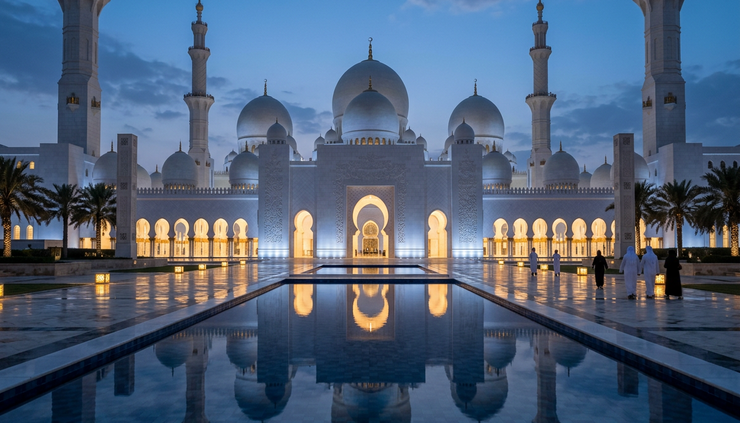
The Sheikh Zayed Grand Mosque is often the highlight. Its white marble domes, reflective pools, arches, and detailed floral patterns create a peaceful setting. Visitors should dress respectfully and check entry guidelines before going. The best time for many travellers is late afternoon, when the light softens and the building slowly changes colour.
Louvre Abu Dhabi on Saadiyat Island adds another side of the capital. The museum’s architecture, especially the dome filtering sunlight like a rain of light, is as memorable as the collection. It suits visitors who enjoy art, design, history, or calm indoor time during warmer hours.
The Corniche gives Abu Dhabi a relaxed waterfront rhythm. Families can walk, cycle, or enjoy beach time. Qasr Al Watan, the presidential palace open to visitors in selected areas, offers insight into craftsmanship, governance, and Arabian design.
Abu Dhabi also has strong entertainment options. Yas Island is home to theme parks, a marina, shopping, and beaches. It works especially well for family itineraries or travellers who want a fun break after cultural sightseeing.
The desert is one of the UAE’s finest experiences
No UAE trip feels complete without time in the desert. The scenery is simple, but that is its power. Sand dunes shift from gold to orange as the sun drops. The air cools. The horizon opens. After days of towers, traffic, and malls, the desert feels like a reset.
Most travellers experience the desert through an organised safari. A typical outing may include dune driving, a sunset photo stop, camel rides, sandboarding, dinner at a camp, and cultural performances. Experiences vary, so choose carefully. Families with young children or older travellers may prefer a gentler desert drive over high-speed dune bashing.
For a quieter experience, look for private or small-group options that focus on the landscape rather than a packed camp schedule. Luxury desert resorts also offer a slower way to enjoy the dunes, with sunrise walks, stargazing, and meals in peaceful settings.
The desert also carries cultural meaning. It connects to Bedouin traditions, endurance, hospitality, and the older rhythms of life before rapid urban development. Drinking Arabic coffee, learning about falconry, or sitting by a fire after sunset can add context if done respectfully.
Carry sunglasses, sunscreen, and a light layer for the evening. Sand can get everywhere, so closed footwear helps. If photography matters, protect camera gear and phones from fine dust.
Sharjah rewards travellers who want heritage and museums
Sharjah is sometimes overshadowed by Dubai and Abu Dhabi, but it deserves attention. It is widely known for culture, education, museums, and heritage conservation. For travellers who want a deeper understanding of the region, Sharjah is a smart addition.
The Heart of Sharjah area brings together restored buildings, markets, galleries, and traditional lanes. It offers a slower, more reflective travel experience than Dubai’s headline attractions. Museums in Sharjah cover Islamic civilisation, archaeology, art, calligraphy, and local history.
The emirate also works well for families. Parks, waterfront spaces, aquariums, and science-related attractions add variety. Since Sharjah sits close to Dubai, it can be visited as a day trip, though staying overnight allows for a more relaxed pace.
Respect local customs here, as Sharjah is known for a more conservative atmosphere. Modest dress and mindful behaviour in public spaces will make the visit smoother and more respectful.
The northern emirates add mountains, forts, and quiet beaches
The UAE becomes more varied when the northern emirates enter the plan. Ras Al Khaimah, Fujairah, Ajman, and Umm Al Quwain each offer reasons to slow down and look beyond the familiar.
Ras Al Khaimah is best known for mountain scenery and outdoor activities. Jebel Jais, the UAE’s highest mountain area, attracts travellers for viewpoints, cooler air, winding roads, and adventure activities. The drive itself is part of the appeal, especially for those who enjoy rugged landscapes.
Fujairah faces the Gulf of Oman and feels different from the western coast. Travellers come for beaches, snorkelling spots, mountain views, and historical sites such as forts and mosques. It is a strong choice for those who want sea and scenery without the intensity of larger cities.
Ajman is small and relaxed, with beaches and a more modest pace. Umm Al Quwain is even quieter, known for mangroves, nature, and a laid-back coastal feel. These emirates may not have the same volume of attractions as Dubai, but they add texture to a UAE holiday.

What to eat during a UAE trip
Food in the UAE reflects local heritage and global migration. Emirati dishes deserve space on the itinerary, especially if the trip has focused heavily on malls and international restaurants.
Look for dishes such as machboos, a spiced rice dish often served with meat or fish, and luqaimat, small sweet dumplings often served with date syrup. Harees, grilled seafood, dates, Arabic coffee, and breads with dips can also be part of the experience.
Dubai and Abu Dhabi offer almost every cuisine, including excellent Indian food. South Indian breakfasts, North Indian curries, chaat, biryani, vegetarian thalis, and modern Indian fine dining are all easy to find. That makes the UAE convenient for Indian families with mixed food preferences.
For a more local feel, try meals in cultural centres, heritage districts, or restaurants that focus on Emirati cuisine. Food courts and luxury restaurants have their place, but smaller local dining experiences often leave stronger memories.
Best time to visit and how to plan the days
The most comfortable travel season usually runs from the cooler months of late autumn to early spring. This is when outdoor sightseeing, beaches, desert safaris, and walking tours feel easier. Summer can be very hot, so indoor attractions, evening plans, and hotel-based stays become more important.
A first UAE trip of 5 to 7 days can work well with this flow:
Day | Suggested base | Easy plan |
1 | Dubai | Arrive, relax, visit Dubai Mall and the fountain area |
2 | Dubai | Burj Khalifa, old Dubai, creek ride, souks |
3 | Dubai | Beach time, Palm Jumeirah, Marina or desert safari |
4 | Abu Dhabi | Sheikh Zayed Grand Mosque, Corniche, Qasr Al Watan |
5 | Abu Dhabi | Louvre Abu Dhabi or Yas Island |
6 | Northern emirates | Ras Al Khaimah mountains or Fujairah coast |
7 | Dubai or Abu Dhabi | Shopping, spa, café time, departure |
This structure keeps the trip varied without making every day feel rushed. If the holiday is shorter, focus on Dubai and Abu Dhabi with one desert evening. If the holiday is longer, add Sharjah, Ras Al Khaimah, or Fujairah.
Travel planners such as happymytour.com can be useful for comparing routes, hotel styles, inclusions, and day trips, especially when the group includes children, senior travellers, or first-time visitors.
Simple travel tips for a smoother UAE holiday
A few practical choices can improve the whole trip.
Dress with respect Light, modest clothing works well in malls, mosques, cultural sites, and older neighbourhoods. Swimwear belongs at beaches, pools, and waterparks.
Plan outdoor activities by time of day Choose mornings and evenings for walks, beaches, and desert plans during warmer months.
Use taxis and metro smartly Dubai Metro is useful for many major areas, while taxis help when travelling with family or moving between less connected spots.
Book key attractions early Observation decks, popular museum slots, theme parks, and desert safaris can get busy in peak season.
Keep weekends in mind Popular attractions, malls, and beaches can draw larger crowds on weekends and public holidays.
Respect photography rules Avoid taking photos of people without permission, especially in cultural or religious spaces.

The UAE is best enjoyed as a complete journey
The strongest UAE itineraries do not treat the country as a single-city stopover. They make room for contrasts. Dubai gives scale and spectacle. Abu Dhabi brings grace and culture. Sharjah adds heritage. The desert slows everything down. The northern emirates bring mountains, beaches, and open roads.
That mix is the real charm of UAE tourism. Come for the skyline if that is what first catches the eye, but leave space for the creek, the mosque courtyard, the desert wind, a plate of machboos, and a mountain view. Those are the moments that turn a UAE trip from a checklist into a journey worth remembering.


Comments